
Solar Water Pumps
Here’s an up-to-date, India-focused overview of solar water pumps — what they are, how they work, benefits, subsidy schemes (especially PM-KUSUM), costs, and key considerations:
☀️ Solar Water Pump – Complete Guide (India 2026)
A solar water pump uses electricity generated from solar panels to run a water pump for irrigation, livestock, drinking water supply, or domestic use. It is widely used in rural and agricultural areas to reduce diesel and grid electricity costs.
A solar water pump uses energy from solar photovoltaic (PV) panels to power a water pump motor. It can be used for:
Agricultural irrigation (fields, orchards, drip or sprinkler systems)
Livestock watering
Domestic & village water supply
Groundwater extraction (borewells)
These systems replace diesel generators or grid-powered pumps with renewable energy, leading to lower operational costs and emissions.
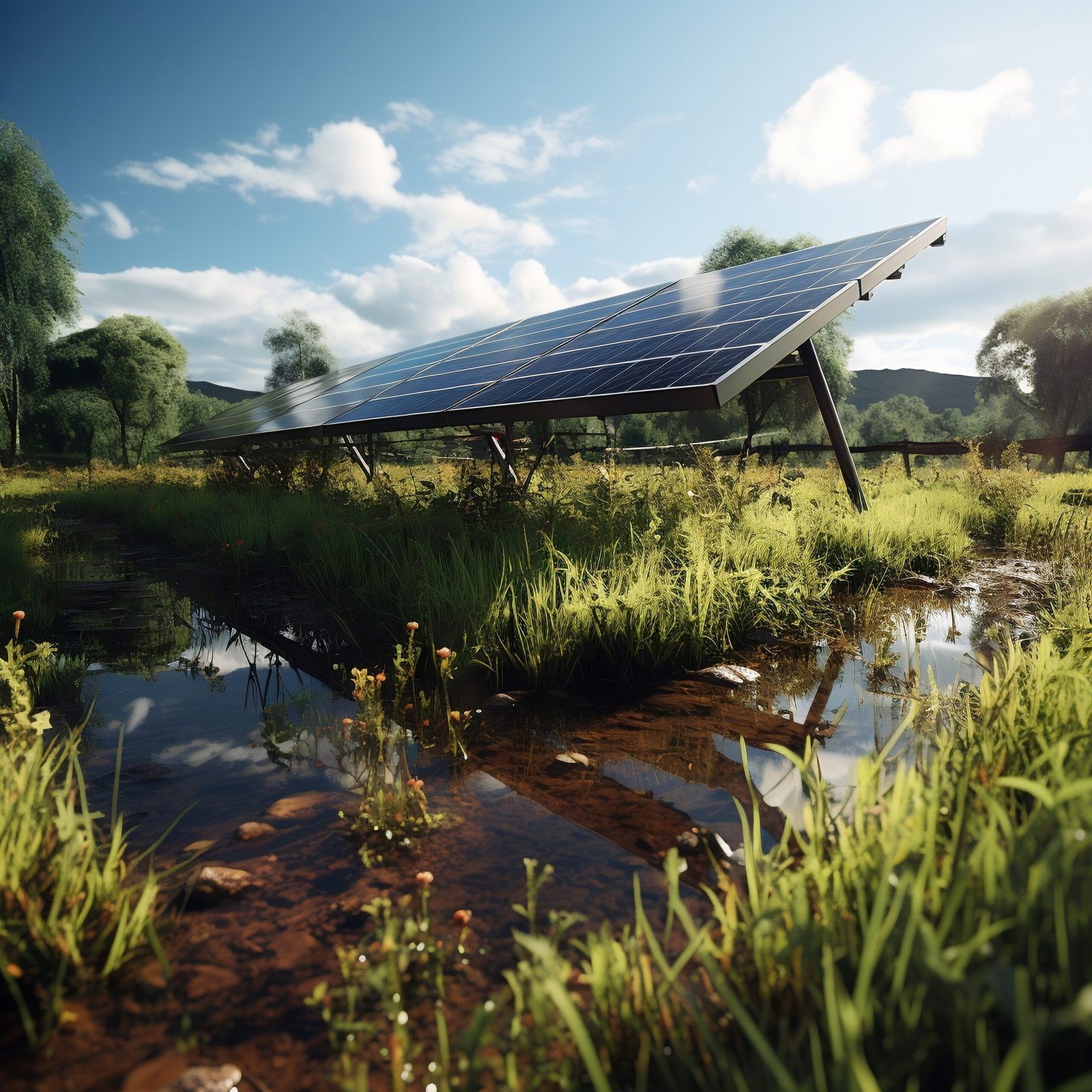
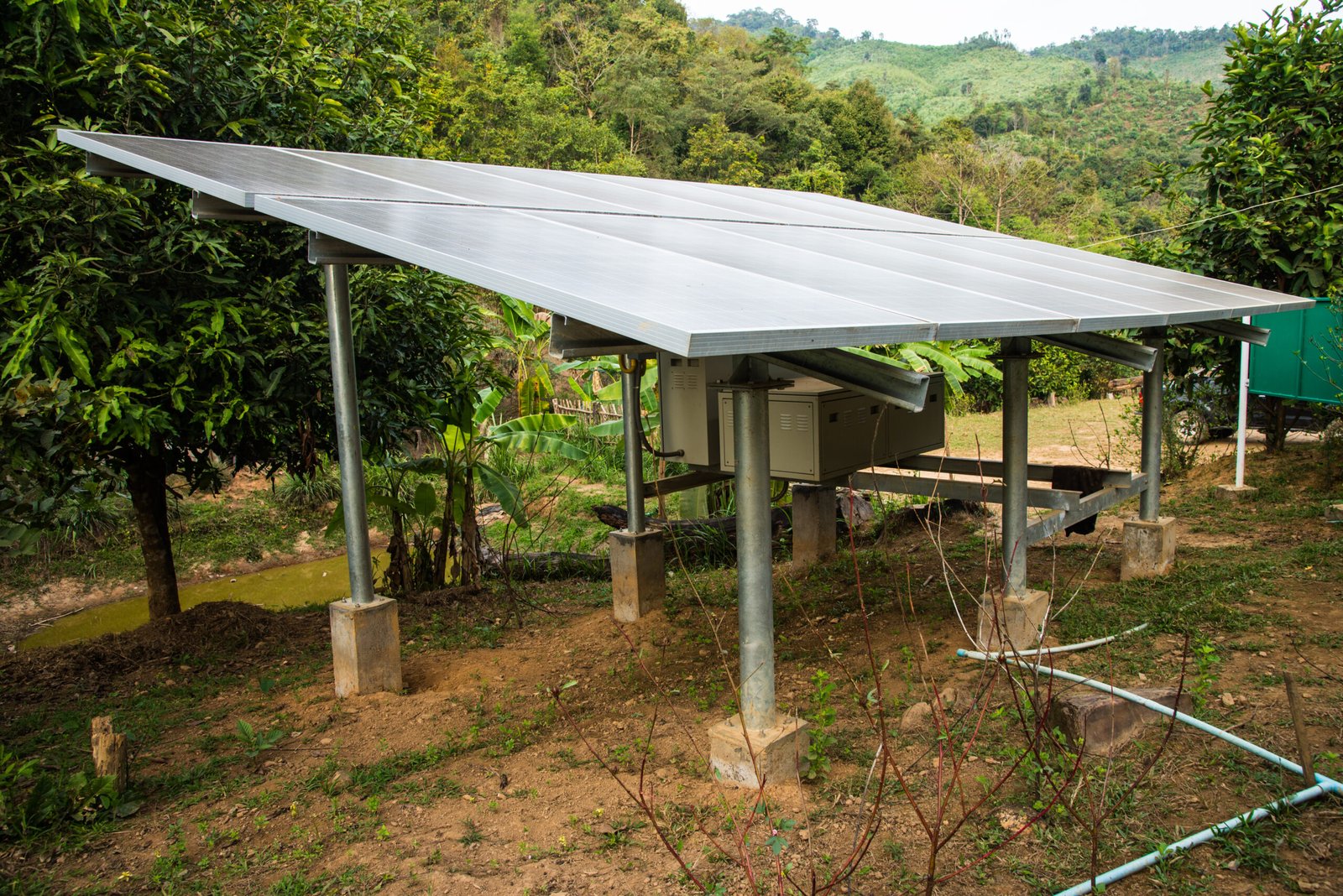
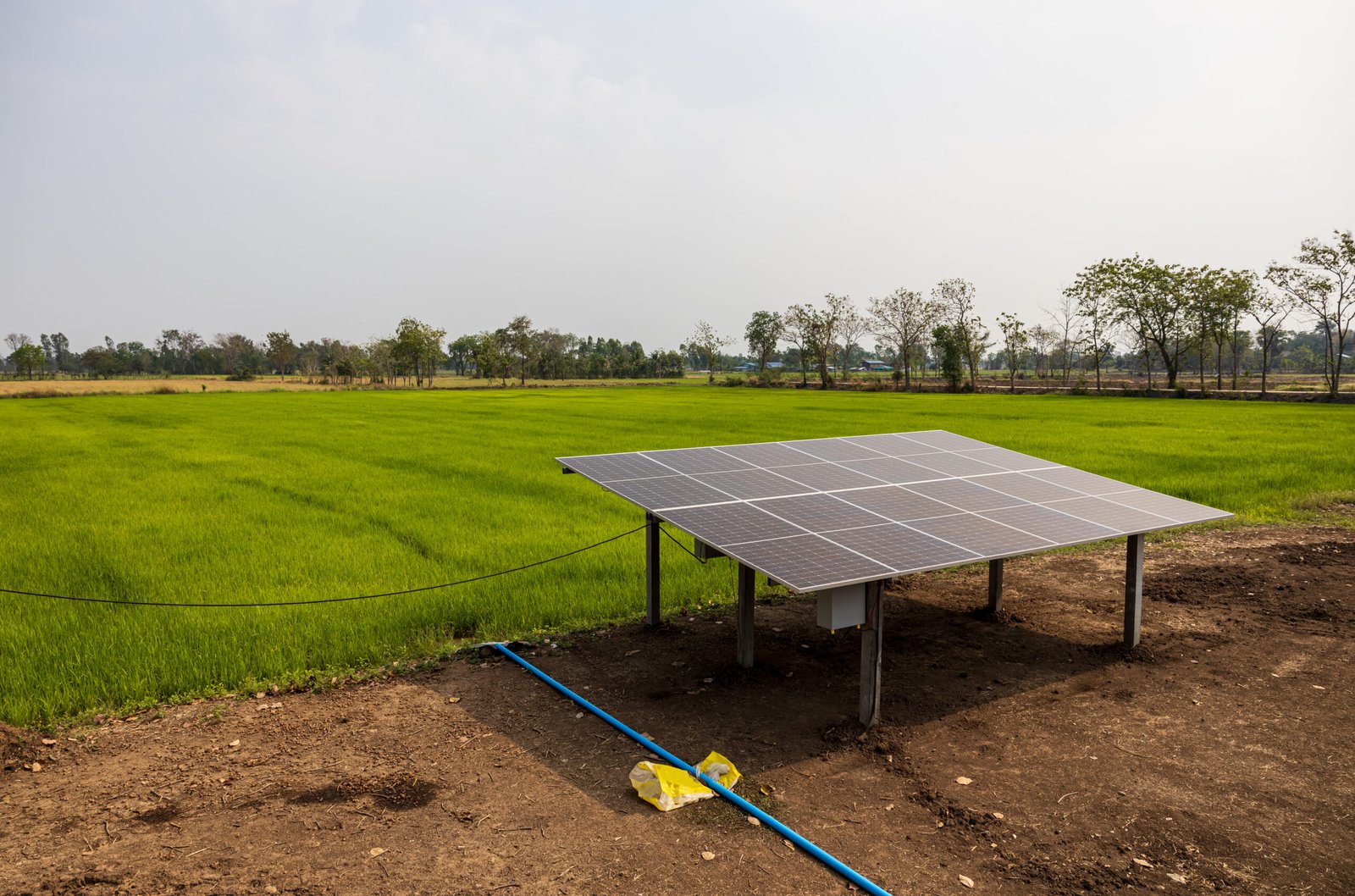
🔧 How a Solar Water Pump Works
Solar panels generate DC electricity from sunlight.
A controller (VFD) regulates power.
The pump motor runs using solar power (DC or AC).
Water is pumped from borewell, river, pond, or storage tank.
Optional: Battery storage (usually not required for irrigation; water tanks act as storage).
🚜 Types of Solar Water Pumps
1️⃣ Surface Solar Pump
Used when water source is shallow (pond, canal, tank).
Installed above ground.
Suitable for small farms and gardens.
2️⃣ Submersible Solar Pump
Installed inside borewell.
Suitable for deep water levels (up to 300+ feet).
Most common for agriculture in India.
⚡ Pump Capacity (HP Options)
| HP Rating | Suitable For |
|---|---|
| 1 HP | Small farms / drip irrigation |
| 2 HP | Small to medium farms |
| 3–5 HP | Medium farms |
| 7.5–10 HP | Large agricultural fields |
💰 Solar Water Pump Cost (Approx. India 2026)
| Pump Size | Approx. Cost (Without Subsidy) |
|---|---|
| 1 HP | ₹1.2 – 1.8 lakh |
| 2 HP | ₹1.8 – 2.5 lakh |
| 3 HP | ₹2.5 – 3.5 lakh |
| 5 HP | ₹4 – 5.5 lakh |
Cost depends on:
Panel capacity
Pump type (AC/DC)
Borewell depth
Installation location
Brand quality
🇮🇳 Government Subsidy – PM Kusum Yojana
Under Pradhan Mantri KUSUM Yojana, farmers receive up to:
✅ 60–90% subsidy (varies by state)
30% Central Government
30% State Government
30–40% Farmer contribution
This makes solar pumps highly affordable for farmers.
Many states like Maharashtra, Rajasthan, Gujarat, MP actively implement this scheme.
🌱 Benefits of Solar Water Pumps
✅ No diesel cost
✅ Zero electricity bill
✅ Low maintenance
✅ 20–25 years lifespan
✅ Environment friendly
✅ Works in remote areas without grid
🔋 Do Solar Pumps Need Batteries?
Generally No.
Water is pumped during sunlight hours and stored in tanks.
Batteries increase cost and maintenance, so most agricultural systems avoid them.
📊 Payback Period
Without subsidy: ~4–6 years
With subsidy: 1–3 years (depending on diesel savings)
🛠 Maintenance Tips
Clean solar panels every 10–15 days
Check wiring and controller annually
Ensure borewell water level is sufficient
Protect system from theft with fencing
📌 Quick Summary
Solar water pumps are ideal for:
Farmers
Rural households
Drip irrigation
Cattle farms
They reduce fuel cost and provide energy independence.
If you tell me:
Borewell depth
Farm size (acres)
State
I can suggest the exact HP pump size and estimated subsidy amount for your case.