
Solar System
Here’s a comprehensive guide to Commercial & Industrial (C&I) Solar Rooftop Systems — focused on India in 2026, how they work, benefits, costs, incentives, and financials.
☀️ What Is Commercial & Industrial Rooftop Solar?
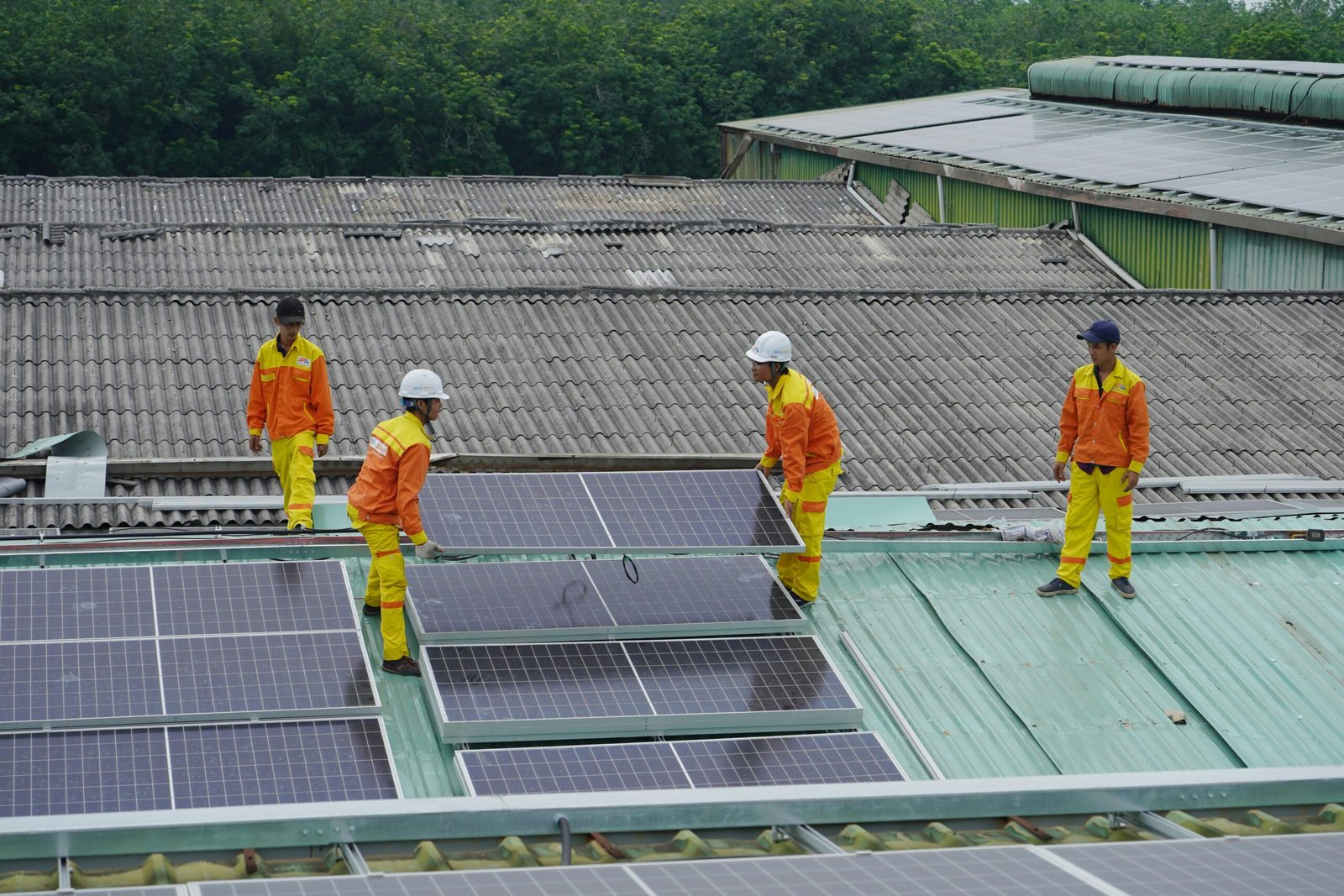
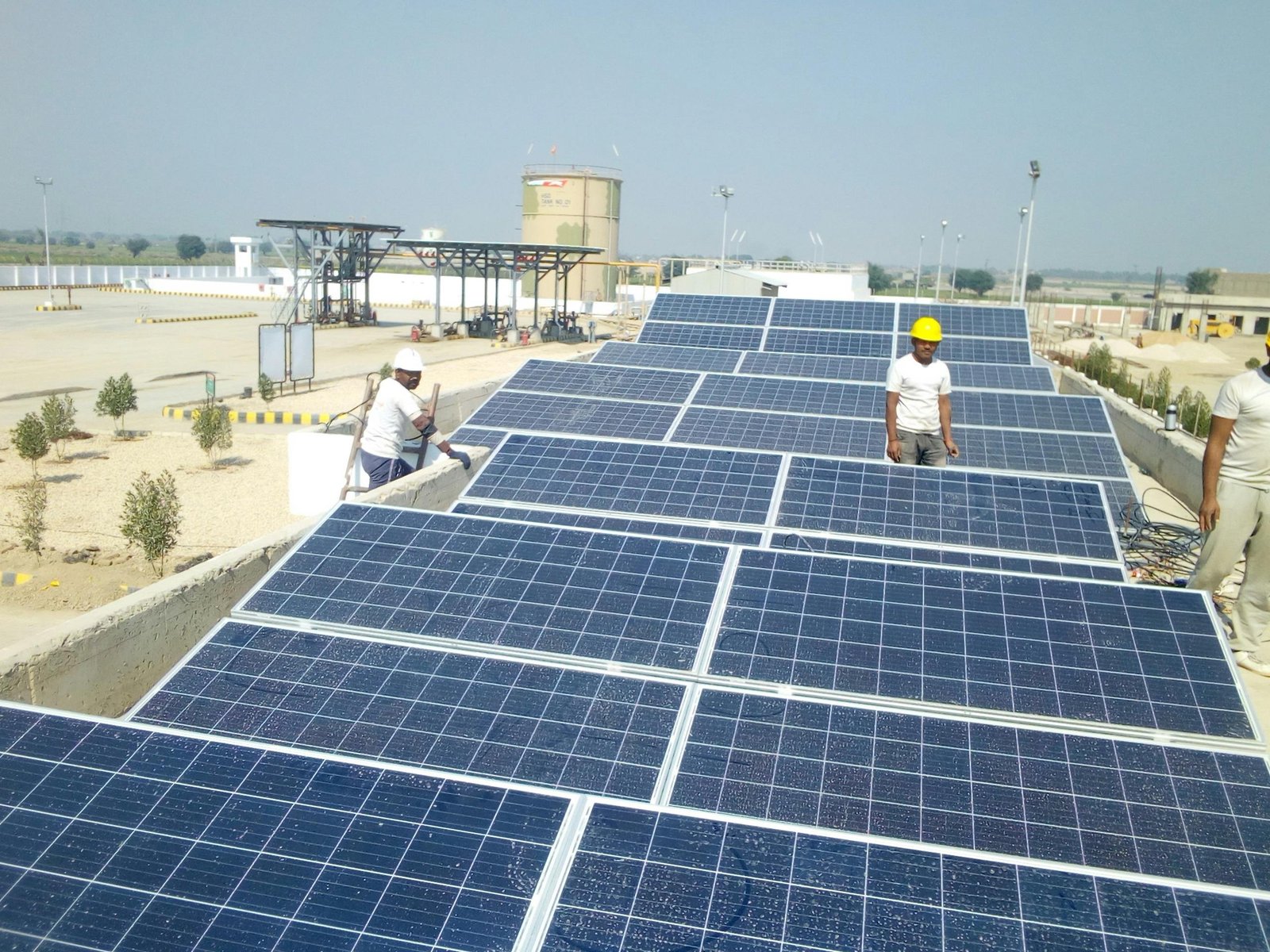
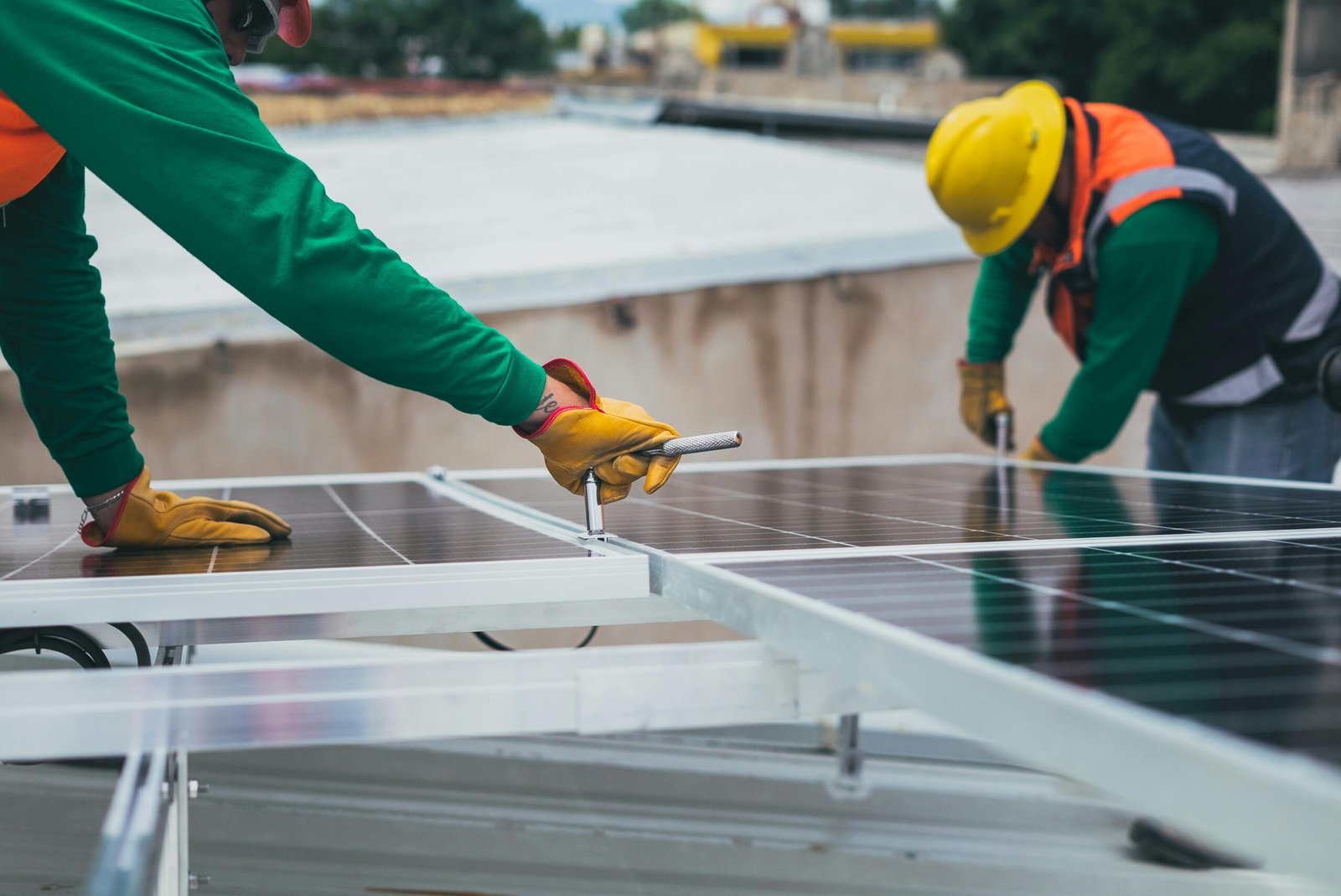
Commercial & Industrial solar rooftop systems are larger-scale solar photovoltaic (PV) systems installed on the rooftops of businesses, factories, warehouses, offices, hotels, malls, and industrial buildings. They generate electricity primarily for self-consumption at the business premises and can often export surplus to the grid.
Unlike residential solar (which often receives direct subsidies), C&I systems are mainly driven by cost savings, tax incentives, and net-metering policies rather than upfront central subsidies.
📊 Typical Sizes & Costs (India)
| System Size | Typical Cost Range (₹/kW) | Approx. Total Cost |
|---|---|---|
| 25–50 kW | ₹45,000–₹60,000 per kW | ₹18–30 lakh |
| 100–250 kW | ₹38,000–₹48,000 per kW | ₹38–₹1.2 crore |
| 500 kW+ | ₹33,000–₹40,000 per kW | ₹1.6 crore+ |
Why cost varies:
• Scale of installation (larger = cheaper per kW)
• Panel type (monocrystalline, TOPCon, HJT)
• Inverter and balance-of-system quality
• Roof structure & complexity
💰 Financial Benefits
✅ 1. Electricity Bill Savings
Businesses typically pay higher commercial/industrial tariffs (₹6–₹15+ per unit). Solar power generation on-site can cut electricity costs by 40–60% or more by substituting grid power.
Larger systems often see faster paybacks due to lower cost per kW and higher consumption during daylight.
✅ 2. Accelerated Depreciation (Tax Incentive)
Under Indian tax laws, companies can claim 40% accelerated depreciation on the solar asset in the first year, reducing taxable income significantly.
This accelerates cash flow and improves post-tax returns.
✅ 3. GST & Input Tax Credit
Solar equipment is taxed at a concessional GST (often around 5–12%), and businesses can usually claim input tax credit, reducing effective project cost.
✅ 4. Net Metering & Group Net Metering
Most states allow net metering — your business exports surplus solar energy to the grid and earns credits against future consumption. Some states also allow group net metering, aggregating multiple connections.
⚠️ Tariff policies (credit rates, rollover period, caps) vary by state. Always check local DISCOM rules before designing the system.
✅ 5. Renewable Purchase Obligation (RPO) Compliance
For industries with RPO mandates, rooftop solar can help meet renewable targets and avoid penalties, contributing to sustainability scores.
🧾 Payback & ROI
Typical payback periods (project cost ÷ yearly savings) for C&I solar are often 3–5 years depending on:
• Electricity tariff levels
• System size & cost per kW
• Net metering compensation
• Tax benefits / depreciation
For example:
A 50 kW system (~₹20 lakh CAPEX) saving ~₹7.3 lakh/year → ~2.7 years payback.
A 200 kW system (~₹84 lakh) saving ~₹26 lakh/year → ~3.2 years.
Large plants usually see better economies of scale and faster ROI.
⚙️ How the System Works
Solar panels on the roof convert sunlight to DC electricity.
A solar inverter converts DC to AC for business loads.
Power goes first to onsite loads (“behind-the-meter”).
Surplus can be exported to the grid under net metering/gross billing policies.
Smart meters track imports/exports for crediting.
Systems can be:
• On-grid (most common)
• Hybrid (with batteries for backup)
• Off-grid (rare for C&I without storage needs)
🌍 Additional Business Benefits
✅ Improves energy independence & control over energy cost risk ⛅
✅ Reduces carbon footprint & supports ESG targets
✅ Boosts sustainability credentials for customers & partners
✅ Many companies can opt for OPEX/RESCO models (zero upfront investment) — pay per unit generation.
📌 Quick Summary
C&I rooftop solar offers strong financial returns, especially through net energy savings and tax benefits.
Direct subsidies (like residential rooftop CFA) do not apply to most C&I systems; incentives are mostly tax and policy-based.
Net metering & tax depreciation boost ROI considerably.
CAPEX typically ₹33,000–₹60,000+/kW (lower per kW for larger plants).
Typical payback ~3–5 years; lifespan 20+ years.