
Society Solar Panel
Here’s a complete guide to solar panels for residential societies (apartment complexes / housing societies) in India — how they work, why societies are installing them, costs, subsidies, and what to consider before proceeding:
🌞 What Is Society Solar Panel (Rooftop Solar for Housing Societies)?
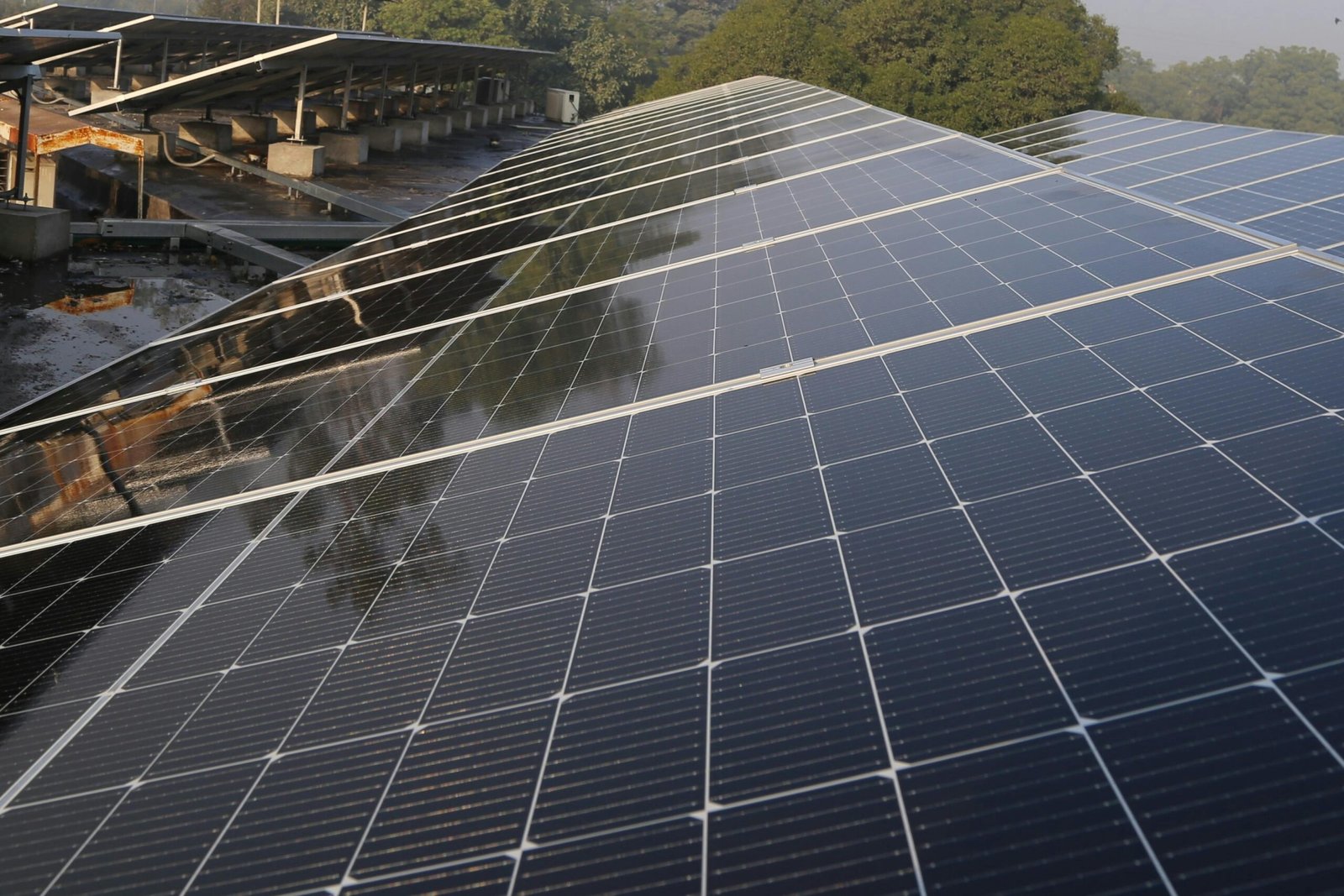
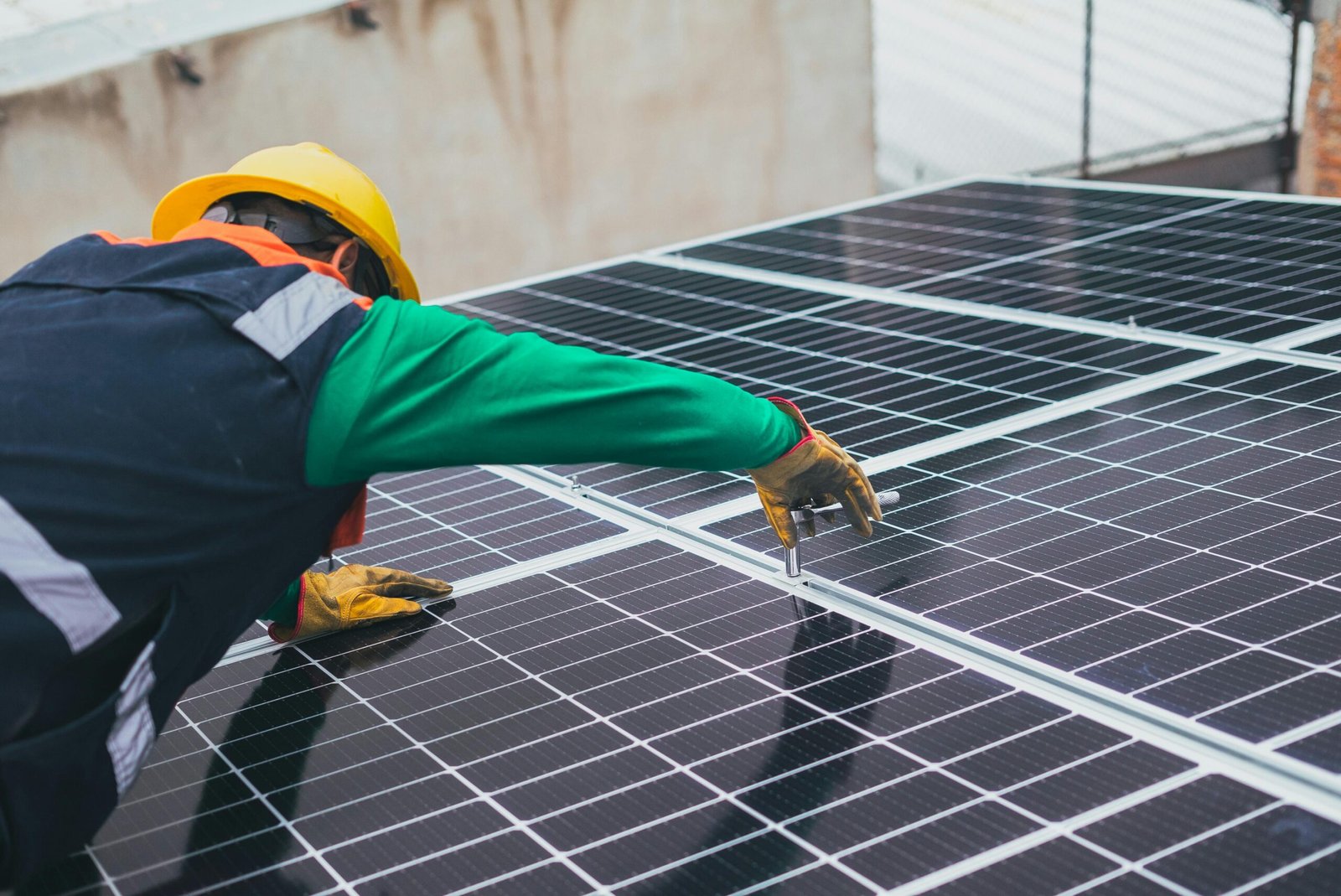
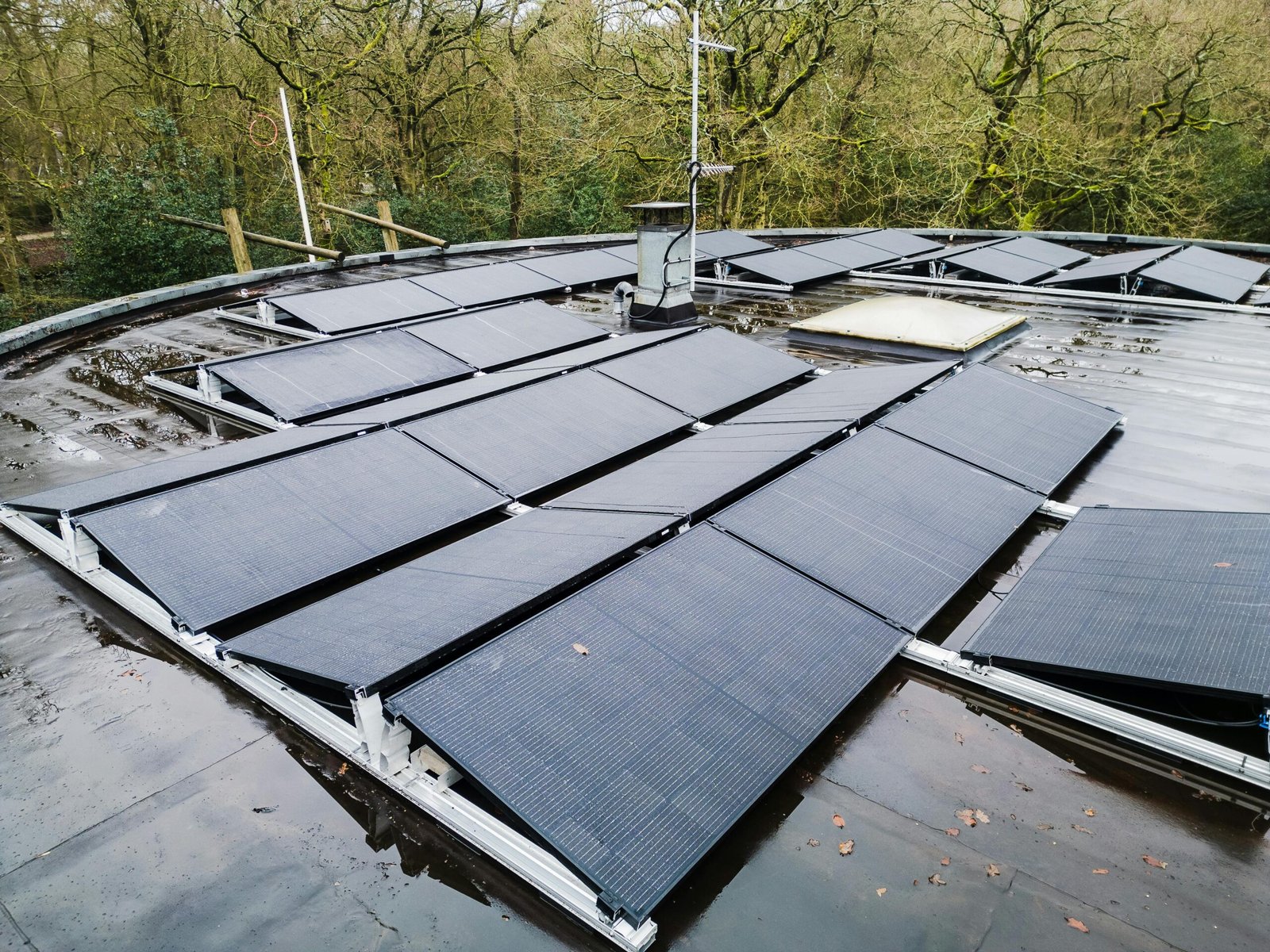
Solar panels installed on the rooftop of an apartment building / housing society generate electricity from sunlight. The power produced can be used to run common area loads (lifts, water pumps, lighting, parking, clubhouses, etc.) and reduce the society’s electricity bill. Excess power can often be credited back via net metering.
📊 Why Housing Societies Go Solar
✅ Major Benefits
1. Lower Common Area Electricity Costs
Solar helps societies cut electricity bills for common areas, sometimes by up to ~70–90% depending on capacity and usage.
2. Faster Payback & Long Lifespan
Typically, the investment can pay back in about 3–5 years, and systems keep generating free electricity for 20 + years.
3. Reduces Maintenance Charges
With lower electricity bills, societies can often reduce monthly maintenance charges or reallocate savings for amenities.
4. Environmental Impact
Solar reduces carbon footprint and supports cleaner, greener living—suiting sustainability goals and community branding.
5. Increased Property Appeal
Green-equipped societies are attractive to buyers and can improve per-flat resale value.
💰 Typical Costs
Solar project costs vary based on system size, panel quality, and installation specifics:
Small Solar System for Common Loads (10 kW): ₹7 – 9 Lakh approx.
Larger Projects (50 kW+): Can run ₹20 – 90 Lakh or more depending on capacity installed.
⚡ Note: These figures are indicative — actual costs fluctuate with equipment brand, roof conditions, and city.
📈 Government Subsidies & Net Metering
📌 Subsidies
India’s national rooftop solar programme allows housing societies / RWAs to get solar subsidies, reducing upfront costs substantially:
✔ Central Subsidy:
Typically ₹18,000 per kW for common area rooftop installations (up to ~500 kW).
✔ State Subsidies:
Many states top up with additional incentives under local policies — e.g., Delhi, Maharashtra and others, improving overall subsidy amounts and project economics.
📌 Net Metering
Most state DISCOMs allow net metering for society solar systems:
Solar-generated power not immediately used is sent to grid
Credits get adjusted in the society’s monthly electricity bill
Helps maximise savings from unused solar production
Also, emerging policies for virtual or group net metering (e.g., in cities like Mumbai) allow solar credit for multiple meters or members even with limited rooftop space.
🛠️ Common Implementation Models
🧑🔧 CAPEX (Society Pays Upfront)
The society funds the installation. Lower long-term cost and maximum savings after payback.
🏦 OPEX / RESCO (Zero Upfront)
A solar vendor installs & maintains the system. The society pays only for solar-generated power (usually cheaper than grid power).
Both models have advantages — choice depends on corpus funds, financial strategy, and appetite for ownership.
📋 Key Things Societies Should Do
✅ Pass a resolution in AGM: Needed before spending corpus funds on solar.
✅ Work with MNRE-approved vendors: To claim subsidies, the contractor must be on the approved list.
✅ Plan system size based on actual loads: Assess usage of lifts, pumps, lighting, EV charging, etc.
✅ Check rooftop space & shade: More shadow-free space equals higher production.
📊 Example Benefit (Real-World Case)
In Pune, a housing society that started with ~30 kW solar gradually expanded to ~172.5 kW. Its annual electricity expenses dropped significantly, resulting in lower maintenance costs and funds available for other community upgrades.
🧠 Quick Summary
| Aspect | Benefit |
|---|---|
| Common Area Electricity | Major savings |
| Subsidy | ₹18,000/kW central, ± additional state |
| Net Metering | Credits for surplus power |
| Payback Time | Typically 3–5 years |
| Lifetime | 20 + years solar generation |
| ROI | ~20–25%+ depending on tariff rate |
If you want, I can help you estimate how big a solar setup your society needs (in kW) and approximate cost + savings based on your current monthly maintenance electricity bill and roof area!