
Solar Panel System Bungalow
Here’s a comprehensive guide to residential solar rooftop systems, especially relevant for India in 2026 — covering what they are, how they work, costs, benefits, government incentives, and installation basics.
🌞 What Is a Solar Panel System for a Bungalow?
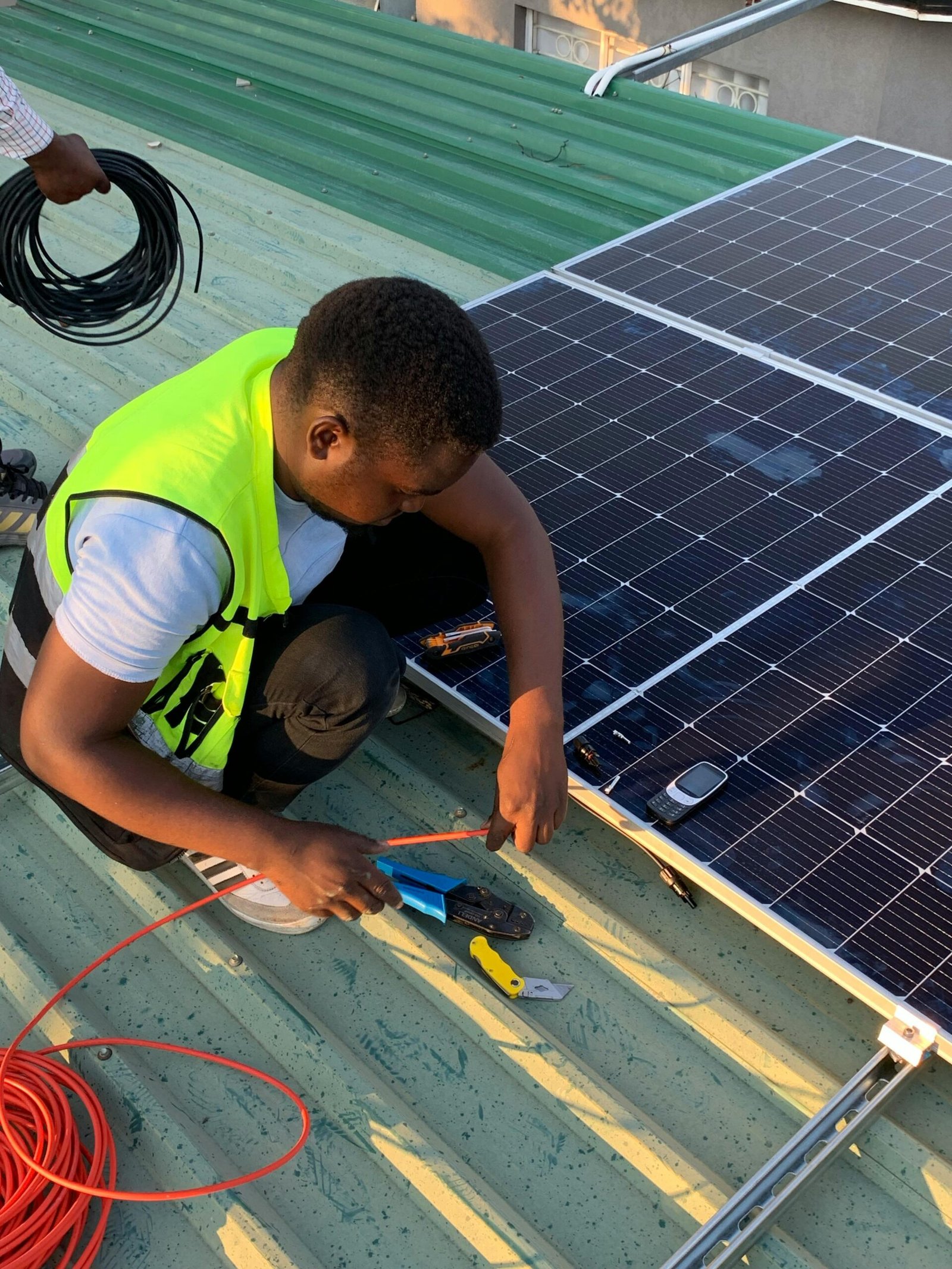
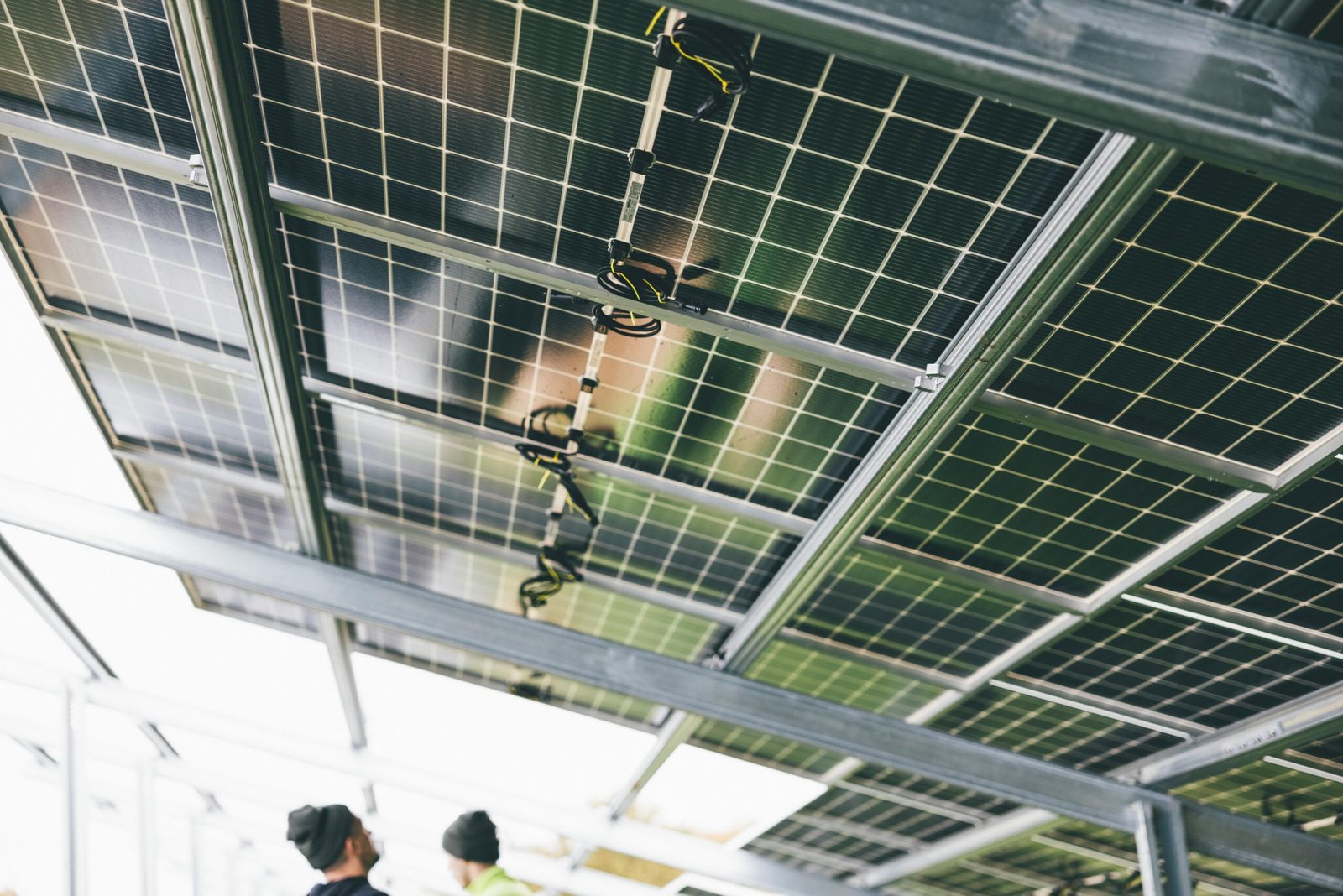
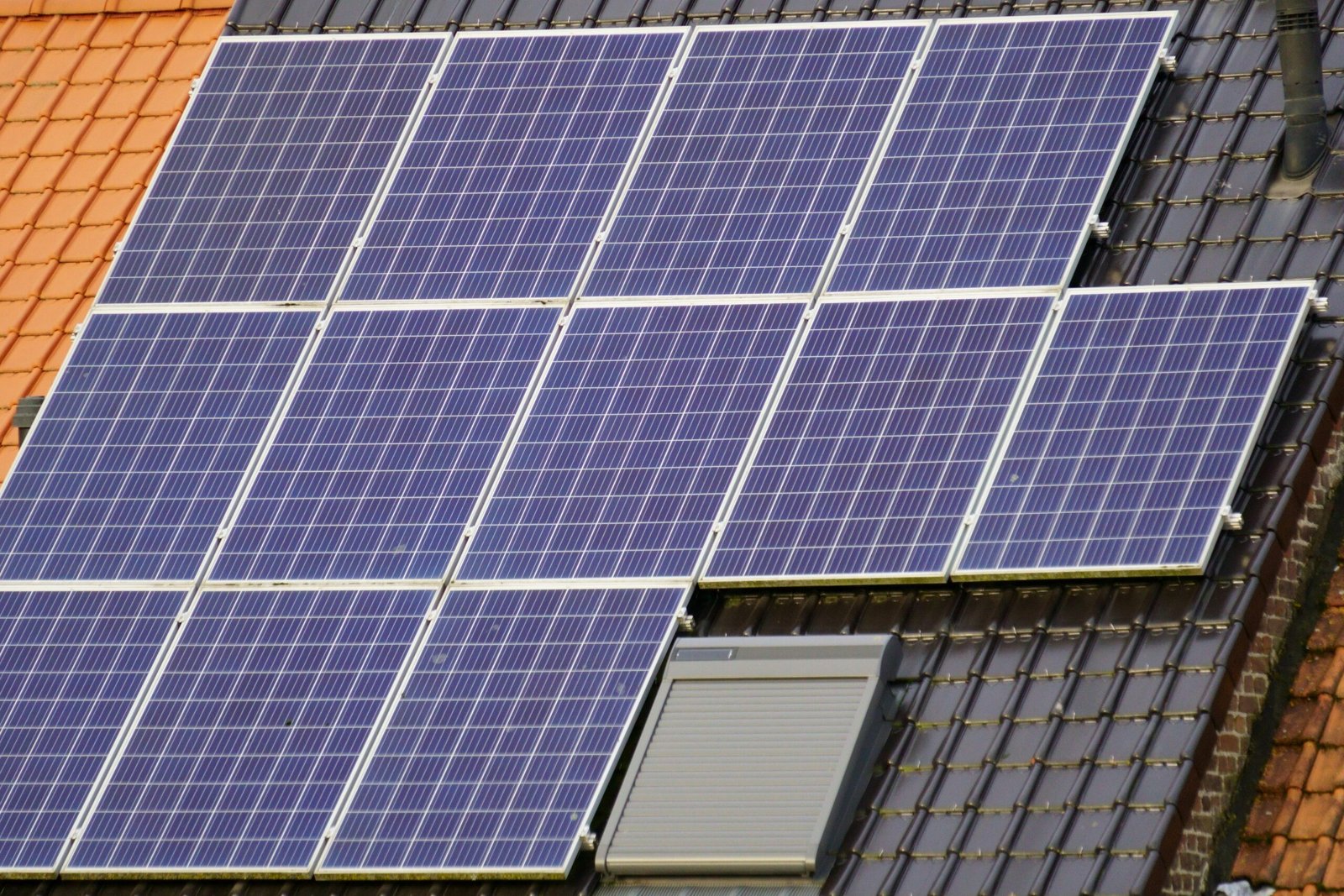
Solar panels capture sunlight and convert it into electricity using photovoltaic (PV) cells. For a bungalow or standalone house, rooftop solar is one of the best ways to generate your own clean energy, reduce electricity bills, and increase energy independence.
When installed on the roof, they produce electricity during the day — either used instantly or sent to the grid (net metering) and credited back.
💡 Benefits of Installing Solar Panels on a Bungalow
1. Lower Electricity Bills
You generate your own power, which can reduce your monthly bills significantly — often by up to 60–70%.
2. Government Subsidies & Incentives
India’s schemes like PM Surya Ghar Muft Bijli Yojana offer subsidies (up to 30–40% for systems up to 3 kW and 20% for 3–10 kW), lowering upfront costs.
3. Net Metering
Excess power can be fed back to the grid, giving you credits on your electricity bill.
4. Increased Property Value
Homes with solar installed often fetch better resale value due to lower operating costs.
5. Low Maintenance & Long Life
Solar panels generally last 25 years or more and require little maintenance aside from occasional cleaning.
💵 Typical Costs for a Bungalow Solar System in India (2025)
Here’s an approximate idea of investment ranges before subsidies:
3 kW system: ₹1.8L – ₹2.5L
5 kW system: ₹3.0L – ₹3.6L
10 kW system: ₹6.5L+
After applying central and state subsidies, many homeowners see the net cost drop by 30–50% depending on capacity and eligibility.
Note: A typical 5 kW system for a large bungalow can power most household appliances and significantly cut grid dependence.
📌 Tips Before Installing
🔹 Roof Suitability: Ensure your bungalow roof gets sufficient sunlight and has enough space.
🔹 On-Grid vs Hybrid: On-grid systems are cheaper and use net-metering; hybrid adds battery backup but costs more.
🔹 Government Approvals: To claim subsidies, install through MNRE-approved vendors and follow local DISCOM procedures.
🔹 Maintenance: Clean panels 2–4 times a year and inspect connections for best performance.
If you’d like system sizing or cost breakdown specific to your bungalow (e.g., 3 kW vs 5 kW) or help estimating savings based on your current electricity usage, tell me your location and typical monthly electricity bill!