
BENEFITS OF INSTALLING ROOFTOP SOLAR ON YOUR HOME
Why choose your solar installation
- Government Subsidy: Under the PM Surya Ghar Muft Bijli Yojana, you can receive up to ₹78,000 for a 3kW system directly in your bank account.
- Net Metering: Allows you to send excess power back to the grid and receive credits on your electricity bill.
- Sanctioned Load: Ensure your solar system capacity does not exceed your home's sanctioned grid connection load.
- System Customization: Tailored installations based on roof size and energy needs.
- Financing Options: Various financial models including loans to make solar accessible.
- After-Sales Support: 24/7 monitoring and maintenance services to ensure optimal performance.
- Subsidy Assistance: Support with government incentives for residential projects.
- REDUCE YOUR ELECTRICITY BILLS
- AN EXCELLENT INVESTMENT
- CLEAN, INDEPENDENT AND RELIABLE ENERGY
- REDUCED MAINTENANCE
- A BRIGHTER AND GREENER TOMORROW
- 10+ Years Warranty
23 Years
of experience
Professional, affordable and we always
leave the seat down

Contact Us
Do You Wish To Reduce Your Electricity Bills From 30-50% At Zero Investment?
Solar Rooftops for residential spaces offer energy independence to the users by harnessing the abundant power of sun.
Solar System
Here’s a comprehensive guide to residential solar rooftop systems, especially relevant for India in 2026 — covering what they are, how they work, costs, benefits, government incentives, and installation basics.
🌞 What Is Residential Rooftop Solar?
A solar rooftop system converts sunlight into electricity using solar photovoltaic (PV) panels installed on your roof. It’s a clean, renewable way to power your home and reduce dependence on utility electricity.
There are three main types:
On-grid systems – Connected to the grid; best for most urban homes; no batteries needed.
Off-grid systems – Work independently using batteries; useful in areas with unreliable grid.
Hybrid systems – Combine grid, solar, and battery backup.
How it works:
Sunlight hits the panels → generates DC electricity.
Inverter converts DC to AC for home use.
Net meter tracks energy imported from and exported to the grid.
Excess power sent to the grid earns credits (net metering).
💡 Benefits of Rooftop Solar
1. Lower Electricity Bills
Once installed, solar can cover most of your household power needs. Many homes see bill reductions up to ~90%, and sometimes zero bills after net metering credits.
2. Quick ROI & Long Savings
Typical payback periods are 4–6 years and systems can last 20–25+ years, translating to long-term savings.
3. Protection from Rising Power Costs
Solar locks in a predictable cost of generation for decades, shielding you from tariff increases.
4. Low Maintenance
Solar systems mostly need occasional panel cleaning and inverter checks — annual maintenance costs are low (often ₹1,500–₹3,000).
5. Environmental Benefits
Each kW installed reduces carbon emissions significantly, supporting clean energy goals.
6. Increased Property Value
Homes with solar installations can be more attractive and valuable to buyers.
💰 Costs of Residential Solar (India)
Solar system cost varies by size, panel quality, and location. Indicative costs before subsidies:
| System Size | Approx. Cost (INR, Before Subsidy) |
|---|---|
| 3 kW | ₹1,50,000 – ₹2,40,000 |
| 5 kW | ₹2,50,000 – ₹3,50,000 |
| 10 kW | ₹5,00,000 – ₹7,50,000 |
After eligible government subsidies, these costs can reduce significantly.
🇮🇳 Government Subsidies & Schemes
PM Surya Ghar: Muft Bijli Yojana
The central government’s flagship residential rooftop scheme provides financial assistance — e.g., subsidies of up to ₹78,000 for a 3 kW system — helping reduce upfront investment.
Scheme has driven a 250% jump in rooftop solar adoption in India.
More than 2.8 million homes have installed solar under this plan.
State-Level Top-Ups
Many states also provide additional subsidies (e.g., in Maharashtra under the SMART Solar Scheme or state solar policies), especially for low-income households.
Net Metering
Most DISCOMs allow net metering, where excess solar power exported to the grid earns credits that offset your electricity bill.
🔌 Installation Overview (Step-by-Step)
Site survey: Evaluate rooftop space, direction, shading, and structural strength.
System design & panel choice: Choose panel type (e.g., monocrystalline for higher efficiency).
Approve subsidy & documentation: Apply through solar rooftop portal and local DISCOM.
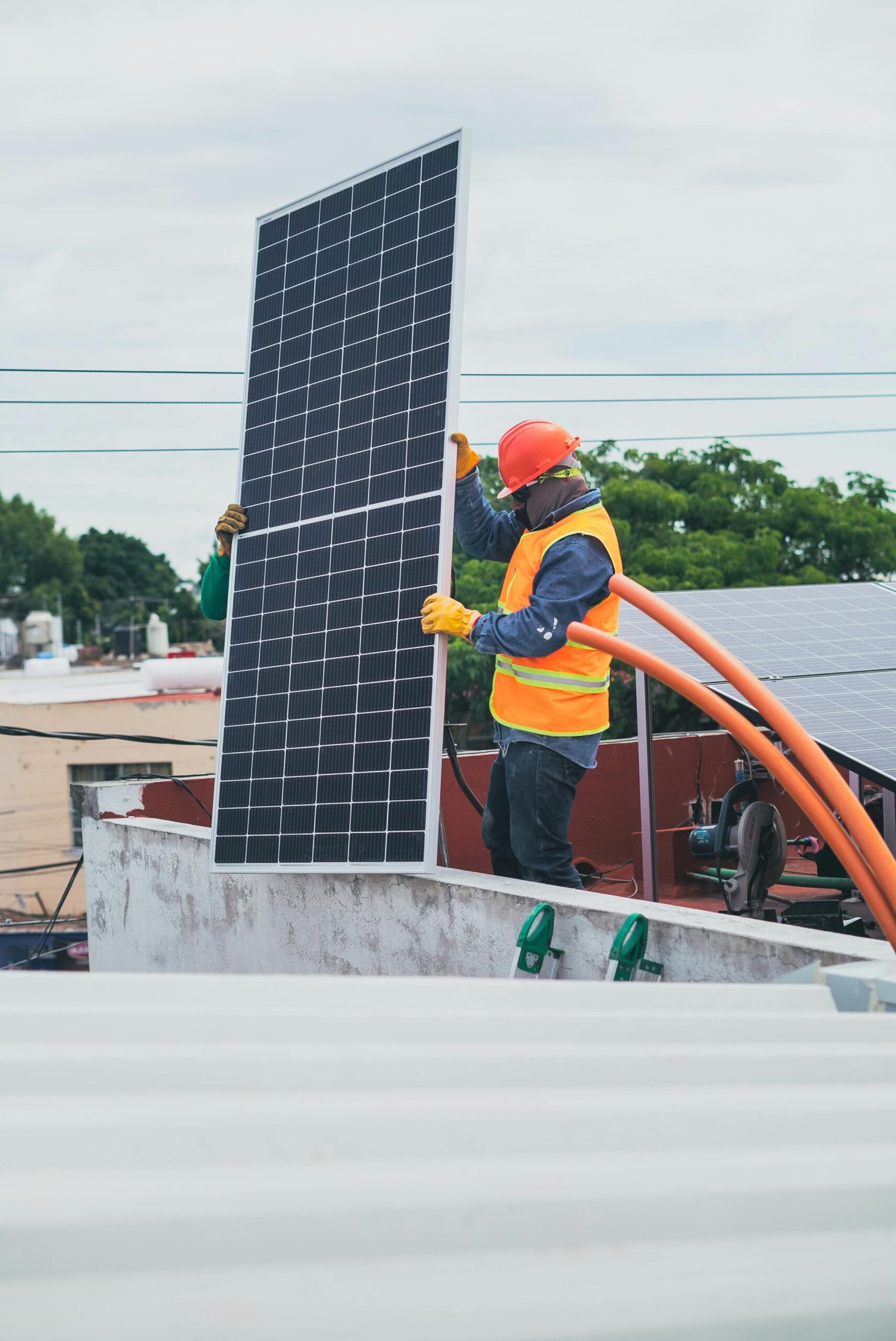
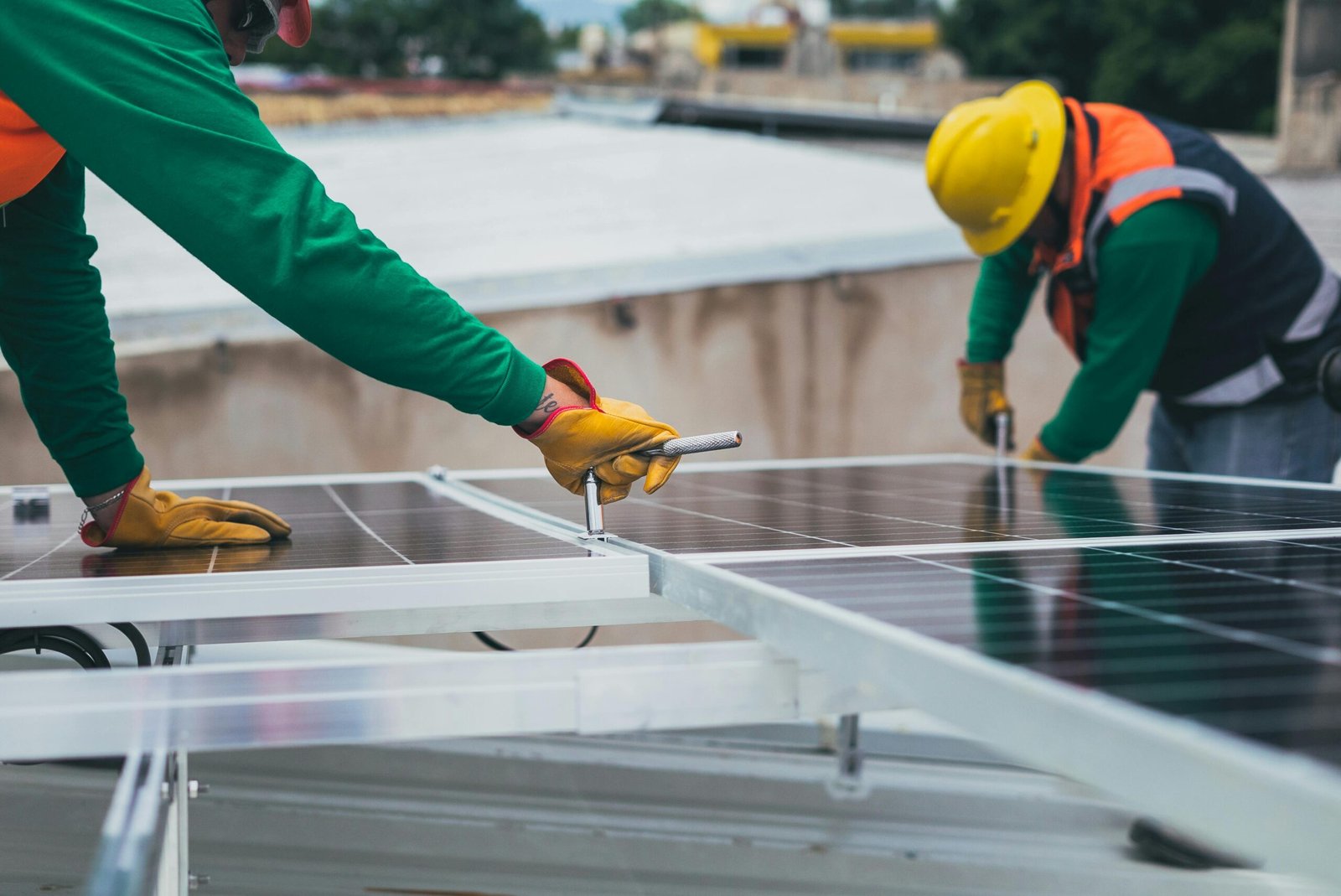
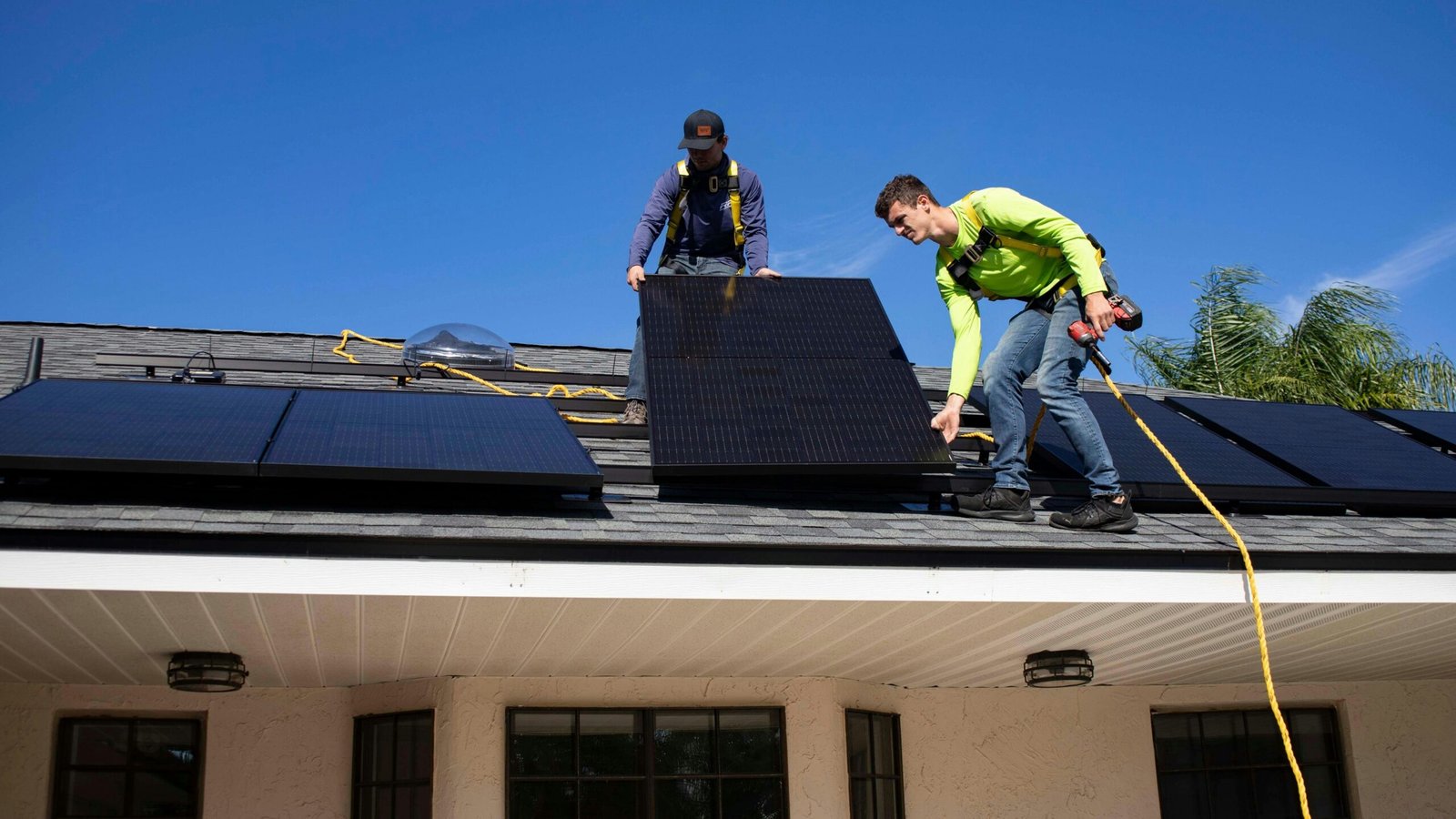
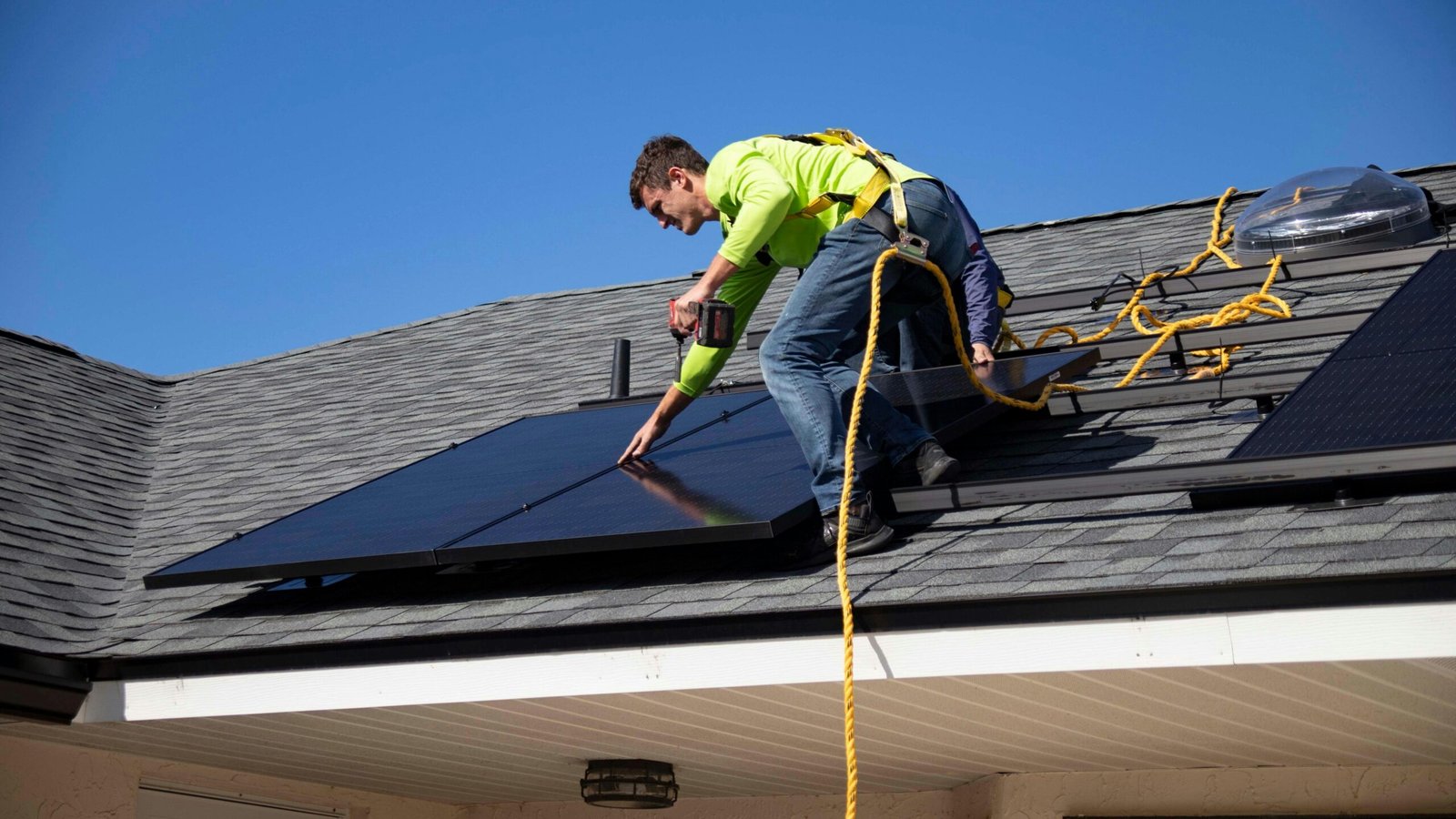
Panel and inverter installation: Mount panels, set up inverters, wiring, safety earthing.
Net meter installation: DISCOM installs a bi-directional meter for energy accounting.
Testing & commissioning: Ensure system performance before use.
Maintenance is minimal — periodic cleaning and annual checks are typically enough.
📌 Key Takeaways
Solar rooftops are cost-effective and deliver long-term savings.
Government incentives make installations affordable.
Net metering increases value by crediting surplus energy.
Systems last ~20–25 years with low maintenance requirements.